
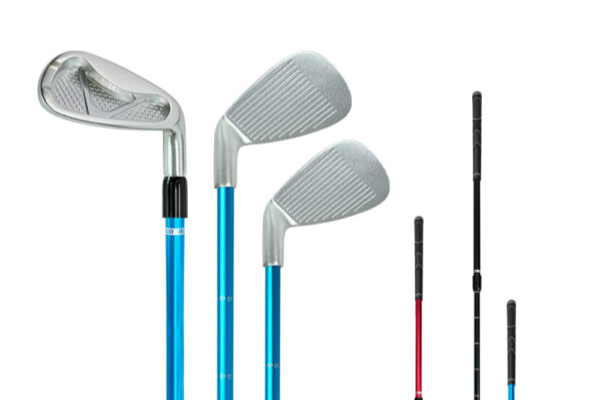
Choosing the right putter is arguably the most critical decision for any golfer. After all, nearly half of your strokes happen on the green. Consequently, equipment manufacturers constantly experiment with different metals to enhance performance. For many years, stainless steel remained the undisputed king of the putting surface. لكن, modern engineering has introduced the aluminum alloy golf club putter as a serious contender.
Each material offers distinct advantages in terms of feel, forgiveness, and weight distribution. Some players prefer the heavy, traditional click of a steel head. Meanwhile, others seek the high-tech stability and soft touch of lightweight aluminum alloys. In this detailed comparison, we explore which material truly performs better for your specific game. Let us break down the science of the “short game” together!
1. The Physics of the Aluminum Alloy Golf Club Putter
Aluminum is significantly lighter than steel, weighing roughly one-third as much by volume. This physical property allows designers to rethink the entire architecture of the putter head.
Maximizing Moment of Inertia (MOI)
Because aluminum is light, engineers can move weight to the extreme edges of the club. This design strategy increases the Moment of Inertia (MOI) of the aluminum alloy golf club putter. High MOI means the head resists twisting during off-center hits. Consequently, your putts stay online even when you miss the sweet spot. This forgiveness is a massive benefit for high-handicap players.
Larger Head Profiles for Better Alignment
Since the material is lightweight, manufacturers can create larger “mallet” style heads. These larger profiles provide more space for long, clear alignment lines. Therefore, you can aim your shots with much higher precision. Many golfers find that an aluminum alloy golf club putter helps them visualize the line better. This visual confidence often leads to more “one-putts” during a round.
2. The Traditional Strength of Stainless Steel Putters 🏌️♂️
Stainless steel remains a favorite for purists who value feedback and durability. Most professional-grade blades still utilize this dense, heavy metal for its classic performance.
Superior Feedback and “Click”
Stainless steel is a much denser material than aluminum alloy. This density creates a distinct “click” sound and a crisp vibration upon impact. Experienced golfers use this sensory feedback to judge the quality of their strike. If you value a firm feel, a stainless steel putter is hard to beat. It provides an immediate physical response that many experts find essential for distance control.
Durability and Maintenance
Stainless steel is naturally resistant to rust, corrosion, and physical dings. Unlike softer metals, it maintains its finish even after years of heavy use. You do not have to worry as much about surface scratches affecting your alignment. This “set-and-forget” durability makes it a reliable long-term investment for any golf bag.
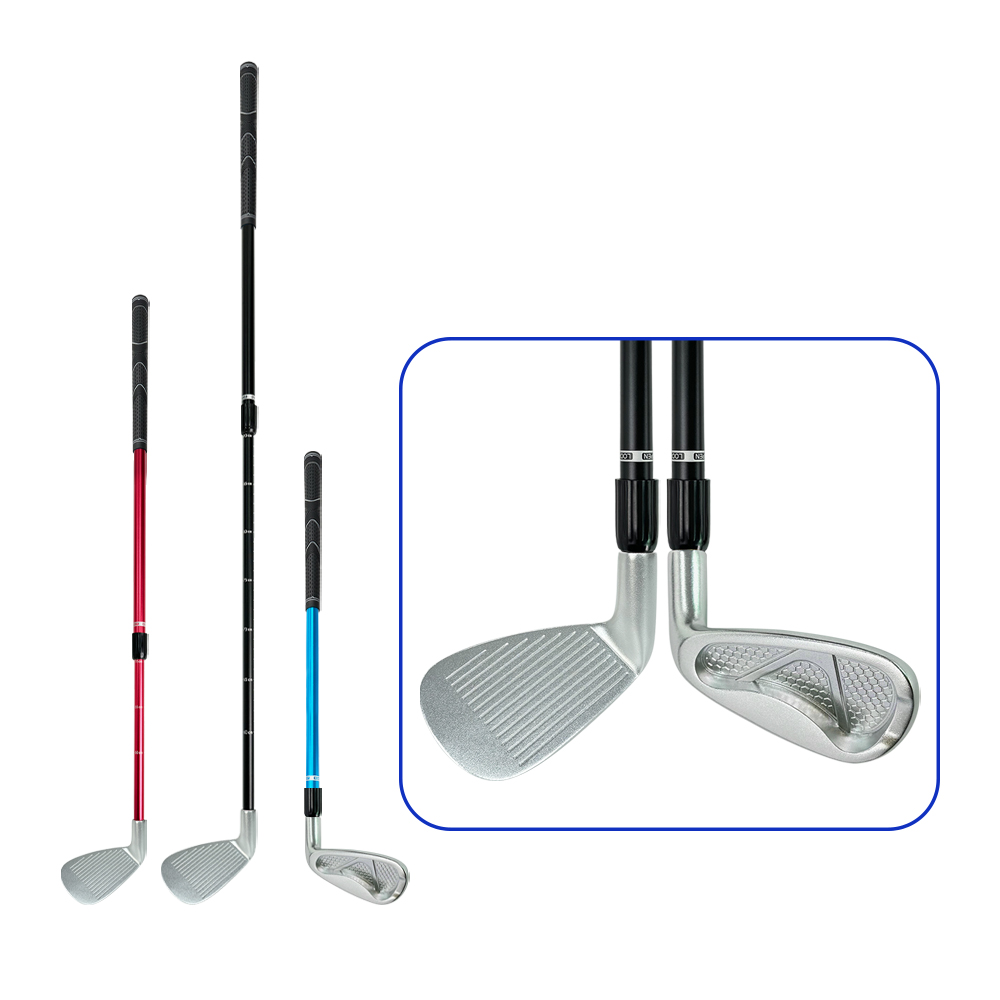
3. Comparing “Feel” and Distance Control
“Feel” is subjective, yet it remains the most discussed topic among serious putter enthusiasts. How a club vibrates in your hands dictates your confidence on long-distance putts.
- Aluminum Feel: Generally described as “softer” أو “muted.” It absorbs more vibration, which feels smoother to the touch.
- Steel Feel: Described as “solid” أو “responsive.” It provides a sharper sensation that helps you gauge strike intensity.
- Distance Control: Steel often excels on fast, professional greens due to its weight. Conversely, aluminum helps with consistency on slower, bumpy greens.
- Center of Gravity: Aluminum allows for a deeper Center of Gravity (CG), promoting an earlier roll.
Ultimately, your choice depends on your personal sensory preferences. Some players love the soft hush of an aluminum alloy golf club putter. Others need the sharp feedback of a steel blade to find their rhythm.
4. Multi-Material Construction: The Best of Both Worlds?
In recent years, the industry has shifted toward “multi-material” designs. These putters combine the best traits of both aluminum and steel.
Aluminum Faces with Steel Weights
Many modern mallets use an aluminum alloy golf club putter body for its lightweight properties. They then insert heavy tungsten or steel weights into the rear corners. This combination creates an incredibly stable club with an ultra-high MOI. The aluminum face provides a soft feel, while the steel weights provide the necessary mass. Consequently, you get a putter that feels soft but performs with extreme stability.
The Rise of Milled Aluminum Inserts
Manufacturers sometimes mill thin aluminum inserts for stainless steel heads. This hybrid approach allows for a “premium” heavy feel with a “modern” soft touch. It bridge the gap between traditional aesthetics and high-tech performance. Furthermore, these inserts often feature specialized grooves to reduce skid and encourage a pure forward roll.
5. Technical Comparison: Aluminum vs. Stainless Steel
| ميزة | Aluminum Alloy Putter | Stainless Steel Putter |
| Material Density | Low (~2.7 g/cm³) | High (~7.8 g/cm³) |
| Common Head Style | Large Mallets / High MOI | Traditional Blades / Mid-Mallets |
| Sound at Impact | Soft “Thud” | Sharp “Click” |
| Forgiveness | Superior (High Edge Weighting) | Moderate (Traditional Design) |
| التخصيص | Easy to Anodize (الألوان) | Polished or Matte Finishes |
| Best For | Beginners & Stability Seekers | Skilled Players & Feel Purists |
Expertise in Club Engineering
The design of an aluminum alloy golf club putter requires advanced CAD software. Engineers must balance the “center of gravity” with the “moment of inertia” perfectly. We look for manufacturers who provide transparent data on these metrics. This “Expertise” ensures that your club performs exactly as advertised on the greens.
Trustworthy Reviews and Professional Usage
Many top professionals on the PGA Tour now use aluminum-bodied mallets. Their “Authoritativeness” proves that these materials work at the highest level of competition. لكن, you must also consider your own “Experience” level. A pro might handle a heavy steel blade easily, but an amateur might need aluminum’s forgiveness. Always trust a brand that offers a trial period or a fitting session. 🤝
6. How to Make Your Final Decision?
Are you still unsure which material belongs in your bag? Consider these three factors before you spend your hard-earned money.
- Your Typical Miss: If you miss the center of the face often, choose aluminum for stability.
- Green Speed: If you play on slow greens, the lightweight aluminum helps you “swing” through the ball.
- Visual Preference: If a large head distracts you, stick to the compact, heavy profile of stainless steel.
- Stroke Type: Straight-back strokes often favor aluminum mallets. Arced strokes often favor steel blades.
Investing in a high-quality aluminum golf putter could be the change your game needs. Conversely, sticking to a classic steel model might help you regain your traditional touch. 🌟⛳
Elevate Your Game with the Right Material
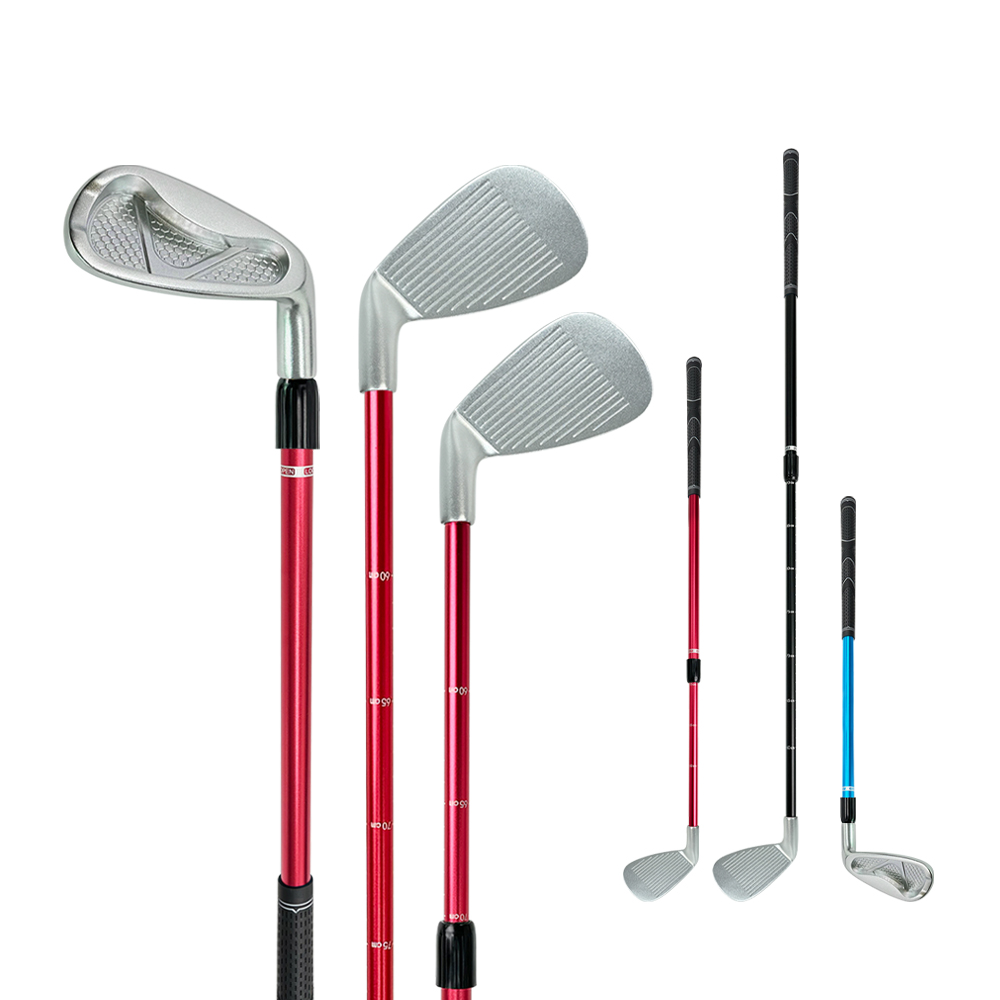
Neither material is objectively “better” in every single scenario. Instead, the “best” putter is the one that gives you the most confidence. The aluminum alloy golf club putter offers unmatched stability and a modern, soft feel. Meanwhile, stainless steel remains the king of feedback and timeless durability.
Focus on your specific needs as a golfer to make the right choice. Test both materials during a professional fitting to see the data for yourself. When you find the right balance of weight and feel, the putts will start to drop. Don’t let your gear hold you back—choose the metal that helps you master the green today!





أضف تعليقا